
TL;DR
The Levoit Dual 150 is best for shoppers who want a compact, quiet ultrasonic cool-mist humidifier for a bedroom or office — and who are willing to clean it regularly and use distilled/demineralized water to reduce white dust. If you need “set-and-forget” humidity control, hate maintenance, or plan to run hard tap water daily, you’ll likely be happier with a different style of humidifier (often evaporative) or a model with tighter humidity management.
What Levoit Dual 150 Actually Is
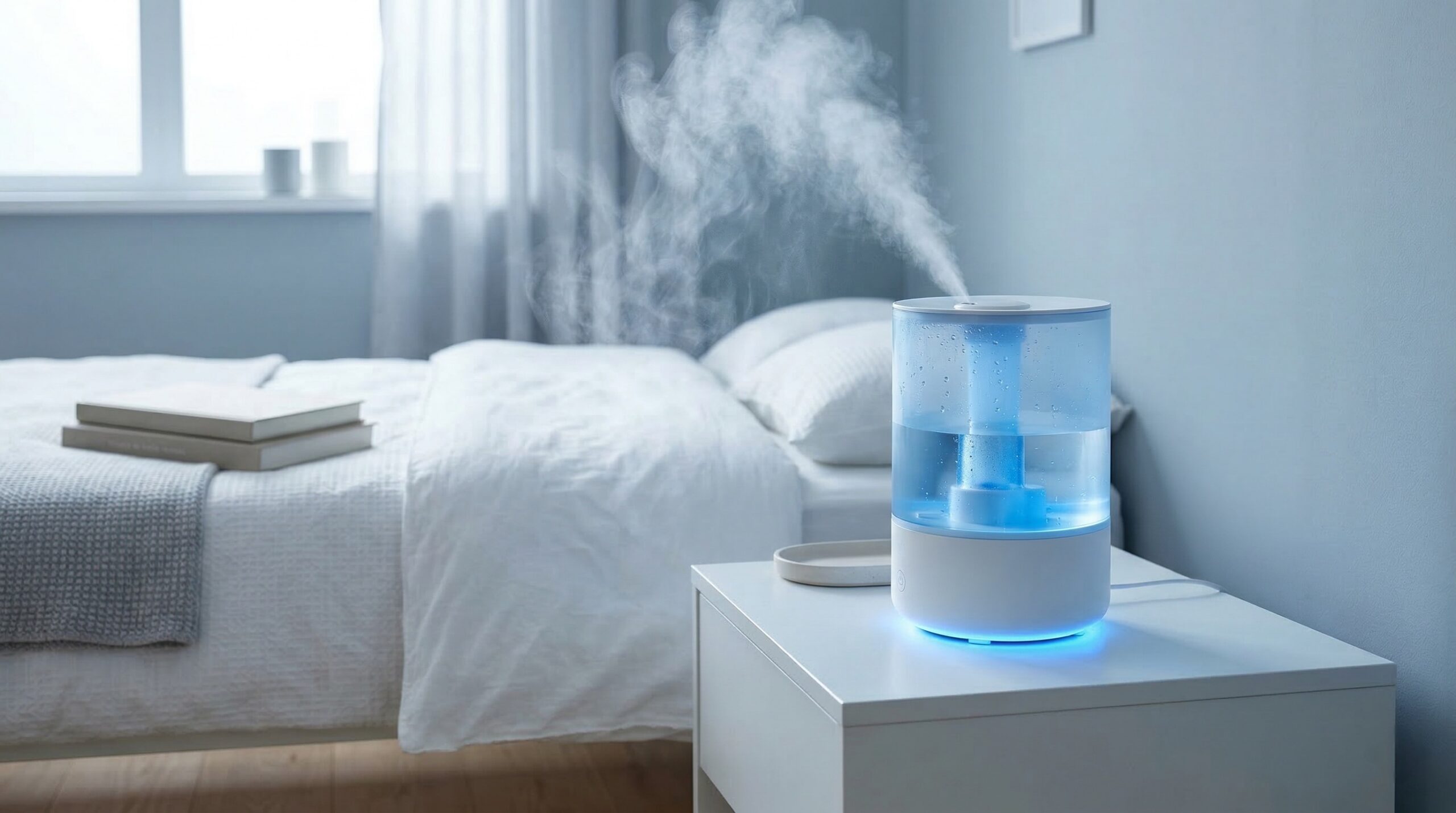
The Levoit Dual 150 is an ultrasonic cool-mist humidifier. In plain terms, it uses a vibrating ultrasonic plate to turn water into a fine mist that your room air can absorb. This design is popular because it can be very quiet, doesn’t require heating water (so it stays “cool mist”), and often feels simple to live with day-to-day — fill it, pick a mist level, and let it run.
But ultrasonic humidifiers come with a few non-negotiable realities that matter more than most spec sheets:
- Water quality matters. If you use hard tap water, the minerals in that water can get aerosolized and settle back out as a powdery residue (“white dust”) on furniture, floors, and sometimes inside the unit. Distilled or demineralized water is the most reliable way to minimize this.
- Cleaning isn’t optional. Any humidifier that holds water can grow slime/biofilm if it’s not maintained. With ultrasonic units, that’s especially important because the device can send tiny particles into the air along with the mist. The EPA humidifier use and care guidance is clear: routine cleaning and correct use are key to avoiding microbial growth and irritation.
- You still need a humidity target. A humidifier should help you stay in a comfortable range (often around 30–50% relative humidity). If you run one constantly on high, you can push humidity too far — leading to condensation on windows and extra moisture on cold surfaces, which can increase mold risk. If you’re seeing persistent dampness or window condensation, it’s a sign to back off and address moisture management (the EPA mold and moisture guide is a solid reference for what “too wet” looks like at home).
So the “formula” for success with the Dual 150 category looks like this: quiet cool mist + realistic room sizing + a hygrometer + consistent cleaning + the right water. If that sounds manageable, an ultrasonic bedroom humidifier can be a very comfortable upgrade during dry seasons.
Who Levoit Dual 150 Fits Best
This style of Levoit humidifier tends to fit best when you want comfort-first humidification — especially at night — and you’re okay doing the small, repetitive maintenance that comes with ultrasonic designs.
- Bedroom sleepers and light sleepers who want low perceived noise and don’t want a fan-like sound profile.
- Nursery/kid room use where you prefer cool mist, want a straightforward unit, and will keep humidity in check with a hygrometer.
- Small-to-medium rooms (think enclosed bedrooms and home offices). Open floor plans usually need either more output, more runtime, or multiple units.
- People willing to buy distilled water (or otherwise manage mineral content) to reduce white dust and cleanup.
Verified owner feedback also points to what people like most about this type of Levoit unit — quiet operation and “it just works” startup behavior. For example: “I absolutely LOVE Levoit 150 Humidifier! Unlike other brands that claim untrue accolades or features, They say that it’s quite and were not lying!” — Loves quiet operation
Our take: if your main goal is sleep-friendly moisture for dry air (scratchy throat, dry nose, static, winter furnace dryness), and you’re realistic about water/cleaning, this is the use case where the Dual 150 concept makes the most sense.
Who Should Skip Levoit Dual 150
You should pass on the Dual 150 category if you want low-maintenance humidification or you need precise humidity control without babysitting. Ultrasonic humidifiers can be great, but they’re not forgiving if your water is mineral-heavy or your cleaning routine is inconsistent.
- You have hard tap water and don’t want to buy distilled/demineralized water. White dust and mineral crust can become a constant annoyance.
- You’re unlikely to clean it frequently. If a weekly (or more) cleaning cadence sounds unrealistic, consider an evaporative humidifier style that’s often more tolerant (though it still needs maintenance).
- You need tight humidity control for a specific health or building reason. In that case, talk with a certified IAQ professional or NATE-certified HVAC contractor about humidity strategy, and consider a unit with a reliable humidistat plus a separate hygrometer to verify.
- You plan to “set it and forget it” in a very tight room. Over-humidifying can cause condensation and dampness — conditions that can contribute to mold problems over time.
It’s also worth being honest that brand-level experiences vary across product lines. A critical report we saw from a Levoit buyer describes a frustration scenario some shoppers worry about: “I bought a Levoit LV600s Smart Air Humidifier. This is a complete piece of junk. It produces massive spikes in air pollution (PM1, PM2.5, PM10) whenever operational. With tap” — 1 stars.
That quote is about a different Levoit humidifier model, but it highlights two very practical “skip” triggers that apply broadly to ultrasonic humidifiers: using tap water (minerals/particles) and expectations around air quality readings (some particle sensors react to mist itself). If you’re highly sensitive, have asthma/COPD concerns, or are monitoring particulates closely, you may want to speak with a board-certified pulmonologist about what’s appropriate in your home — and be extra strict about water choice and cleaning.
Price and Value
For the closest Levoit ultrasonic top-fill option we have pricing visibility on, the typical price band is $40–$50. In that range, the value usually comes down to three things:
- Noise comfort per dollar: Ultrasonic units can be a cost-effective way to get sleep-friendly humidification without paying a premium.
- Convenience features: Top-fill style refilling (when present) reduces spills and makes daily use more realistic.
- Total ownership cost: If you switch to distilled water to avoid white dust, your ongoing cost may be higher than you expected — especially in dry months.
If you already buy distilled water for a baby humidifier or CPAP room comfort, the “value math” tends to look better. If you’re expecting to run cheap tap water with minimal cleaning, an ultrasonic unit can feel expensive fast — because the real cost becomes your time (scrubbing mineral buildup) and the mess (dusting nearby surfaces).
Common Mistakes When Trying Levoit Dual 150
Most “humidifier disappointment” isn’t because the unit can’t make mist — it’s because of avoidable setup and routine mistakes. Here are the issues we see most often in verified owner feedback and in general humidifier guidance:
- Running hard tap water and blaming the humidifier for white dust. With ultrasonic designs, white dust is often the minerals you started with. If you notice residue, switch to distilled/demineralized water and clean out existing scale.
- Over-humidifying a closed bedroom overnight. Without a hygrometer, it’s easy to push humidity too high. Aim for roughly 30–50% RH, and reduce output if you see window condensation or a damp feel on fabrics and walls.
- Letting water sit in the tank/base for days. Stagnant water encourages film and odor. Emptying and air-drying between uses helps a lot, and periodic deeper cleaning matters (the EPA humidifier use and care page is the best starting point for safe routines).
- Assuming “quiet” means “zero maintenance.” The quieter the ultrasonic unit, the more important it is to stay ahead of biofilm and mineral buildup — because performance issues often show up slowly (less mist, funky smell, gunk in corners).
- Placing it poorly. Don’t aim mist at electronics, wood furniture, or a cold window. Put it on a stable, water-safe surface with some breathing room around it.
Owners regularly mention the “instant gratification” part — mist starts quickly — which can also tempt people to run it harder than needed. One verified owner put it this way: “I love this Cool Mist Humidifier! It is easy to set up and starts producing mist immediately. Being able to fill the tank without taking the whole unit with me is a plus.” — Easy setup; works as diffuser
Practical fix: start on low or medium for the first day, watch your hygrometer readings, and only increase output if the room still sits below your comfort range. This single habit prevents a lot of condensation, musty smells, and “why is everything damp?” surprises.
FAQ
Will an ultrasonic cool-mist humidifier cause white dust?
It can. Ultrasonic humidifiers can aerosolize minerals from hard tap water, which then settle as “white dust” on nearby surfaces. Using distilled or demineralized water is the most reliable way to reduce it, and regular descaling helps keep buildup from accumulating inside the unit.
What humidity level should I aim for in a bedroom?
Many IAQ guidelines land around a 30–50% relative humidity comfort/safety band. The key is to use a cheap hygrometer and adjust output based on real readings — especially in closed bedrooms overnight. If you see condensation on windows or cold walls, reduce output and address moisture risk (the EPA mold and moisture guide is a helpful reference).
How often do I need to clean an ultrasonic humidifier?
Plan on frequent upkeep: empty and air-dry the tank regularly (often daily when in active use), and deep-clean/descale on a repeating schedule that matches your water hardness and runtime. Follow the manufacturer’s directions, and use reputable public-health guidance like EPA humidifier use and care to avoid common hygiene mistakes.
Is it safe to run a humidifier overnight?
It’s safest when the unit has auto shutoff/low-water protection, is placed on a stable surface, and you avoid over-humidifying. Use a lower mist setting or a timer, and verify bedroom humidity with a hygrometer so you don’t wake up to condensation or a damp room.
Do I need a hygrometer if the humidifier has settings like low/medium/high?
Yes, if you care about accuracy. Low/medium/high is output control, not a humidity target. A separate hygrometer tells you what the room is actually doing, which is especially important in smaller bedrooms and during weather swings.
Can I use essential oils in this kind of humidifier?
Only if the device explicitly supports it (often via a dedicated aroma pad/tray). Don’t add oils directly into the water tank unless the manufacturer says it’s designed for that — oils can degrade plastics and make cleaning harder, which can increase odor and residue problems.
Why do particle sensors sometimes show higher readings when a humidifier runs?
Some low-cost particle sensors can “see” humidifier mist droplets as particulate matter, even if the droplets are mostly water. Hard tap water can add minerals to those droplets, which may worsen readings and residue. If you’re tracking PM as part of an asthma plan, consider discussing humidifier use with a clinician and be strict about water choice and cleaning.
Looking for these on Amazon? Browse levoit dual 150 ultrasonic cool mist humidifier on Amazon →
Bottom Line
Choose the Levoit Dual 150 category of ultrasonic cool-mist humidifier if you want a quiet, compact unit for a small-to-medium room and you’re willing to use better water and clean it consistently. Skip it if you need low-maintenance humidification with hard tap water or you want precise humidity control without monitoring — those expectations usually lead to frustration with ultrasonic models.
Affiliate disclosure: This article contains affiliate links. We earn a small commission at no extra cost to you.